 English
 한국어
한국어 বাংলা ভাষার
 हिन्दी
 Türkçe
 русский

How to Choose Recycled Polyester Yarn: A Complete Buying Guide
Sourcing high-quality recycled polyester yarn requires a comprehensive evaluation of Global Recycled Standard (GRS) traceability certification, physical performance indicators (such as tensile strength, AA-grade evenness, and a twist range of 80–2000 TPM), as well as large-scale delivery guarantees from the manufacturer. As a core material in the global textile industry's green transition, premium recycled polyester yarn not only rivals virgin polyester in strength and abrasion resistance, but also significantly reduces carbon footprints.
Facing a market with varying supply chain quality, selecting experienced recycled polyester yarn manufacturers is crucial to avoiding risks of color variation, yarn breakage, and "greenwashing." Sinrylion was established in 1983 and boasts over 40 years of professional yarn manufacturing experience. Equipped with more than 400 advanced machines (including approximately 200 twisting machines), a daily production capacity of 20 tons, and three major international certifications: ISO9001, Oeko-Tex Standard 100, and GRS, Sinrylion provides global buyers with high-quality recycled polyester yarn solutions ranging from 50D to 600D.
About Recycled Polyester Yarn
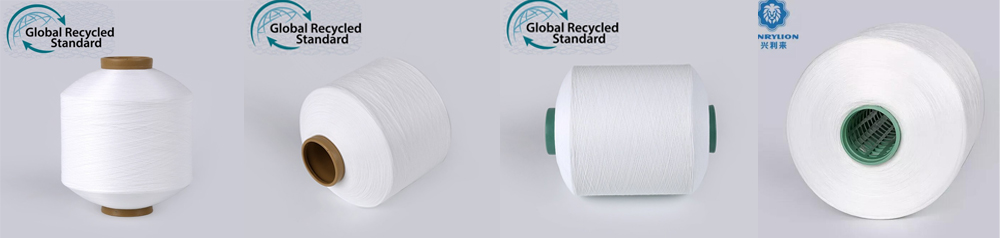
recycled polyester yarn (often referred to as rPET yarn) is a synthetic fiber produced through recycled processing from post-consumer polyethylene terephthalate (PET) plastic bottles, packaging waste, and industrial textile scraps.
As a cost-effective eco-friendly material, premium recycled polyester yarn is virtually identical to virgin polyester in physical performance, effectively reducing environmental pollution without sacrificing fabric durability.
Full Manufacturing Process Breakdown
-
Raw Material Collection & Precise Sorting: Collecting post-consumer waste PET plastic bottles, performing manual and optical sorting to remove impurities and non-PET materials.
-
High-Pressure Washing & Crushing into Flakes: Washing plastic bottles at high temperatures for sterilization, thoroughly removing bottle labels and residual liquids, then shredding them into uniform rPET flakes.
-
Melt Extrusion & Spinning Winding: Melting and extruding dried flakes into micro-denier continuous filaments, which cool and solidify into primary continuous filament recycled polyester yarn.
-
Draw Texturing & Twisting Formation: Adjusting molecular orientation through professional twisting machines and draw equipment (DTY/FDY), imparting specific twists (such as 120 TPM) and AA-grade evenness to the yarn.
Common Classifications and Structural Forms
-
Continuous Filament Yarn: Includes DTY (Draw Textured Yarn) and FDY (Fully Drawn Yarn), featuring smooth surfaces and high tensile strength, making it suitable for high-end apparel and industrial textiles.
-
Staple Yarn: Cut from continuous filaments and re-spun, offering a hand feel close to natural cotton, widely used in cotton-polyester blends and knitted terry fabrics.
-
Dope Dyed Color Yarn: Adding colorants directly during the melt extrusion stage to produce colored recycled polyester yarn with an ultra-high color fastness of Grade 4–5.
💡 Frequently Asked Questions
Q: What is recycled polyester yarn made from?
A: It is a sustainable synthetic fiber produced by recycling post-consumer PET plastic bottles and industrial PET waste through washing, melting, extruding, and spinning processes.
Why Recycled Polyester Yarn Is Gaining Popularity
The global textile industry is undergoing a profound green transformation. Driven by growing consumer environmental awareness and increasingly strict environmental regulations across regions, purchasing recycled polyester yarn has become a core strategy for brands and custom manufacturers to fulfill circular economy and ESG targets.
-
Dramatically Reducing Plastic Pollution: Producing 1 ton of high-quality recycled polyester yarn recycles approximately 70,000 waste plastic bottles, effectively preventing plastic waste from entering landfills and oceans.
-
Significantly Lowering Energy Use & Carbon Emissions: Compared to virgin polyester, manufacturing recycled polyester yarn saves up to 59% in energy consumption and reduces greenhouse gas emissions by 30%–50%.
-
Technological Breakthroughs & Performance Leaps: Early recycled yarn issues such as large color variations and low tensile strength have been completely resolved by modern melt spinning and precise twisting technologies. Today, recycled polyester yarn produced by top-tier factories matches virgin yarn in tensile strength, elongation, and color fastness.
-
Compliance & Brand Premium: Using GRS (Global Recycled Standard) certified recycled polyester yarn helps buyers pass supply chain compliance audits by international retailers, boosting product eco-value.
-
Resource Conservation & Circular Economy: Utilizing recycled PET polymer chips drastically decreases reliance on crude oil extraction, conserving non-renewable fossil resources and establishing a closed-loop textile lifecycle.
-
Consumer Demand & Market Preference: Modern consumers actively choose eco-friendly apparel, prompting fast-fashion, outdoor, and luxury brands to prioritize certified sustainable raw materials in their supply chains.
💡 Frequently Asked Questions
Q: Is recycled polyester yarn as strong as virgin polyester?
A: Yes, premium recycled polyester yarn produced with modern spinning and precise twisting techniques achieves equivalent tensile strength, durability, and wear resistance to virgin polyester.
High Performance Sinrylion Recycled Yarn Portfolio
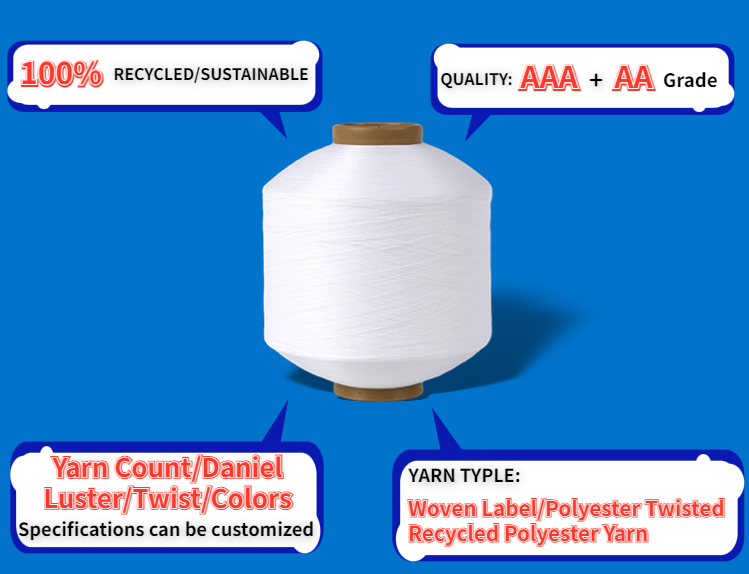
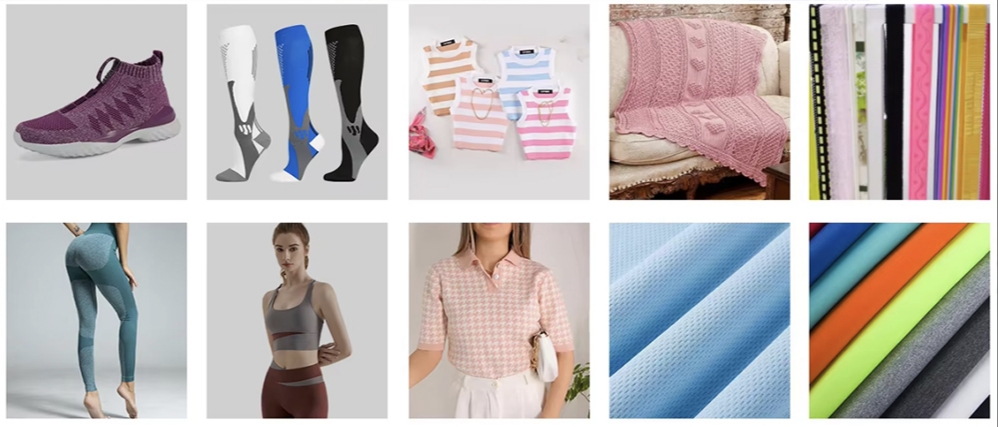
As leading recycled polyester yarn manufacturers, Sinrylion has created a full-specification recycled yarn portfolio tailored to diverse requirements across apparel, home textiles, hosiery, woven labels, and industrial specialty textiles:
-
GRS 100D 120TPM DTY Recycled PET Yarn: Made from 100% recycled PET flakes, featuring a 100D specification and a medium twist of 120 TPM (turns per meter). This product possesses extremely high tensile strength, superior wear resistance, and color fastness, widely applied in weaving high-end sportswear, casual jackets, home curtains, and cushions.
-
FDY 75D Black Semi-Dull Recycled Polyester Filament Yarn: Uses a Dope Dyed Black process where black pigments are directly injected into the polymer during melt extrusion. This eliminates traditional post-dyeing steps, saving up to 80% of water and chemical usage, while endowing the yarn with an ultra-high wash and light color fastness of Grade 4–5.
-
Full Range DTY & FDY Specification Coverage: Provides recycled polyester yarn in spot stock and custom supply from 50D to 600D (such as 50D/24F, 75D/36F, 150D/48F, etc.), all achieving AA-grade evenness standards.
-
80–2000 TPM Precision Twist Customization: Relying on approximately 200 dedicated twisting machines, Sinrylion customizes twist ranges from 80 to 2000 TPM according to customer needs, and supports composite twisting of recycled polyester with TPU, TPEE, or PA6 monofilament yarns, providing technical support for challenging label yarns and specialty industrial fabrics.
-
1,000+ Bright Color Dope-Dyed Library: Offers over 1,000 consistent color stock options of recycled polyester yarn, greatly shortening production lead times for textile factories.
-
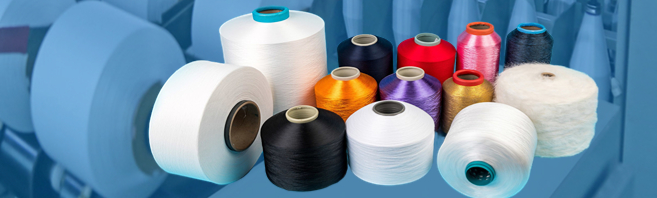
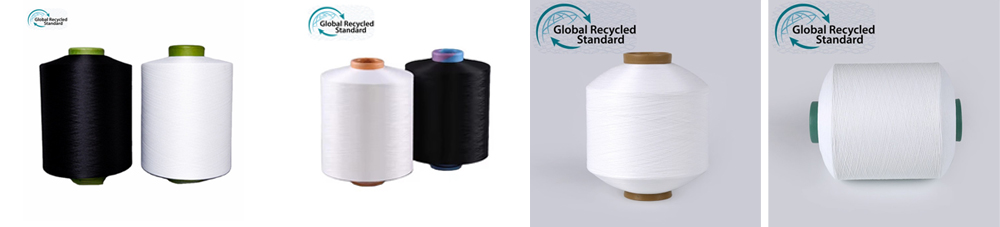
Versatile Industry Formats & Packages: Yarns are available in raw white, optical white, dope-dyed black, and customized dyed colors, packaged in precision cone-wound formats optimized for high-speed weaving, circular knitting, and warping machinery.
-
Specialty Monofilament & Composite Blends: Supports hybrid combinations of recycled polyester filaments with specialized elastomeric or synthetic yarns (PA6, TPU, TPEE) to engineer high-resilience, water-resistant, or anti-bacterial functional textiles.
💡 Frequently Asked Questions
Q: What denier and twist ranges are available for recycled polyester yarn?
A: Recycled polyester yarn is typically available from 50D to 600D in denier, with twist levels customized from 80 TPM up to 2000 TPM depending on weaving requirements.
Recycled Yarn Performance Profile and Ideal Use Cases
When purchasing recycled polyester yarn, evaluating its technical advantages, physical performance, and scenario suitability forms the foundation for ensuring final fabric quality.
Core Physical Performance & Technical Advantages
-
High Tensile Strength & Low Breakage Rate: Through precise melt extrusion and multi-pass draw processes, the yarn exhibits high tensile strength and excellent elongation, easily handling high tension on high-speed knitting and weaving equipment.
-
AA-Grade Yarn Evenness: Advanced melt filtration and fine spinning technology ensure the entire cone of recycled polyester yarn is extremely uniform in thickness, free of knots, and free of impurity spots, guaranteeing flat and flawless fabrics.
-
Top Color Fastness & Dye-Free Eco Properties: Dope dyed colored yarns feature Grade 4–5 wash and friction color fastness, eliminating fading risks while significantly saving water and carbon emissions during dyeing and finishing.
-
Superior Anti-Pilling & Weathering Properties: Naturally resistant to mildew, moisture, moisture-wicking, and UV radiation, extending the service life of final textile products.
-
Outstanding Processing Adaptability: Through precise twisting adjustments from 80 to 2000 TPM, the yarn retains stable shaping without fluffing, perfectly compatible with various complex twisting and blending processes.
Scenario Application Matching
-
Outdoor Sportswear & Casual Apparel: GRS 100D 120TPM DTY offers superior strength and breathable comfort, highly suitable for high-strength sportswear, durable jackets, and yoga apparel fabrics.
-
High-End Home Textiles: Featuring high wrinkle resistance and stable dimensions, recycled polyester yarn performs exceptionally in curtains, sofa upholstery, cushion covers, and bedding, combining eco-friendly texture with durability.
-
Hosiery & Circular Knitting: 100D DTY textured filament along with 150D/48F and 75D/36F yarns provide soft hand feel and high elasticity, demonstrating high smoothness when knitting socks and seamless knit garments.
-
Precision Woven Labels & Clothing Tags: Precisely twisted recycled polyester yarn can be combined with TPU, TPEE, or PA6 monofilaments to deliver flat edges, clear lettering, and abrasion resistance without frayed edges in label weaving.
-
Industrial & Specialty Filter Fabrics: High-denier (such as 300D–600D) high-tenacity yarns possess excellent chemical stability and tensile strength, often used in industrial filter cloths, packaging fabrics, and specialty protective materials.
Limitations & Risk Control Points
-
Batch-to-Batch Color Variation Risks: Sourcing from small recycled polyester yarn manufacturers lacking strong QC systems can lead to slight color variations across different batches of recycled flakes.
-
Melting Point & Thermal Shrinkage Control: Temperature and tension must be strictly controlled during high-temperature heat setting to ensure thermal shrinkage remains stable within industry standards.
💡 Frequently Asked Questions
Q: How can buyers verify if recycled polyester yarn is authentic?
A: Buyers can verify authenticity by requesting the manufacturer's Global Recycled Standard (GRS) certificate and official batch-specific Transaction Certificates (TC), alongside ISO9001 quality reports.
Strategic Sourcing Framework for Recycled Yarn
To help B2B buyers, supply chain directors, and custom textile manufacturers establish a streamlined, zero-risk procurement workflow, we have structured a comprehensive six-step strategic sourcing framework for recycled polyester yarn:
Precisely Define Application & Specification Requirements:
-
Identify Weaving Machinery: Clearly define yarn requirements based on your production equipment (such as hosiery machines, high-speed circular knitting machines, shuttleless looms, or high-speed woven label machinery).
-
Select Filament Type & Denier: Choose between DTY (Draw Textured Yarn) for stretch and soft hand feel, or FDY (Fully Drawn Yarn) for high strength and smooth lustrous finish, across deniers ranging from 50D to 600D (e.g., 50D/24F, 75D/36F, 150D/48F).
-
Determine Twisting Parameters: Specify twist levels (80 TPM up to 2000 TPM) according to target fabric density, anti-snagging needs, and desired structural stability.
Strictly Audit International Certifications & Traceability:
-
GRS (Global Recycled Standard) Verification: Ensure the manufacturer provides genuine GRS certifications verifying 100% post-consumer PET waste origins. Demand official batch-specific Transaction Certificates (TC) for every shipment to guarantee full supply chain traceability.
-
Oeko-Tex Standard 100 Certification: Confirm the yarn complies with strict eco-textile safety requirements, ensuring zero harmful residues, heavy metals, or toxic chemicals suitable for intimate apparel.
-
ISO9001 Quality Management: Verify that recycled polyester yarn manufacturers operate under ISO9001 certified quality control systems to ensure batch-to-batch operational discipline.
-
Key Physical Metrics: Request third-party or in-house mill test certificates covering breaking tenacity (cN/dtex), elongation at break (%), thermal shrinkage rate (%), and oil pick-up percentage.
-
Yarn Evenness & Friction: Inspect yarn evenness reports to ensure AA-grade evenness with minimal slubs, knots, or thin places that could cause downtime on automated machines.
-
Color Fastness Ratings: For dope-dyed colored yarns, verify that wash, light, and rub fastness ratings meet or exceed Grade 4–5 standards.
Conduct Rigorous Sample Testing & Machine Trial Runs:
-
Request Physical Samples: Obtain physical sample cones from candidate recycled polyester yarn manufacturers prior to placing bulk orders.
-
On-Machine Trial Runs: Test yarn behavior under full production speed to evaluate break frequency, static generation, tension stability, and needle wear.
-
Dyeing & Finishing Compatibility: Conduct piece-dyeing or heat-setting trials on woven samples to evaluate thermal stability, color consistency, and shrinkage alignment.
Assess Manufacturer Capacity & Supply Chain Security:
-
Daily & Annual Output Capacity: Partner with large-scale factories capable of producing 20 tons daily or more to avoid capacity bottlenecks during peak manufacturing seasons.
-
Raw Material Reserves & Spot Stock: Check whether the supplier maintains consistent rPET flake reserves and stock libraries (such as 1,000+ dope-dyed color options) for rapid replenishment.
-
Lead Times & Logistics: Confirm realistic production lead times, minimum order quantities (MOQs), and flexible packaging options (e.g., palletized cone winding).
Establish Total Cost of Ownership (TCO) & Contract Terms:
-
Evaluate Value Over Unit Price: Balance raw material costs against potential yield improvements, reduced machine downtime, and zero color-matching failures offered by premium recycled polyester yarn.
-
Formalize TC Issuance Terms: Include clear contract clauses specifying prompt issuance of GRS Transaction Certificates upon order dispatch.
-
Define Quality Guarantee & Dispute Resolution: Set explicit terms regarding defect rate thresholds, batch replacement protocols, and post-delivery technical support.
Four Decades of Sinrylion Manufacturing Excellence
Sinrylion is not only an outstanding recycled polyester yarn supplier, but also a trusted long-term strategic partner for textile enterprises globally.
-
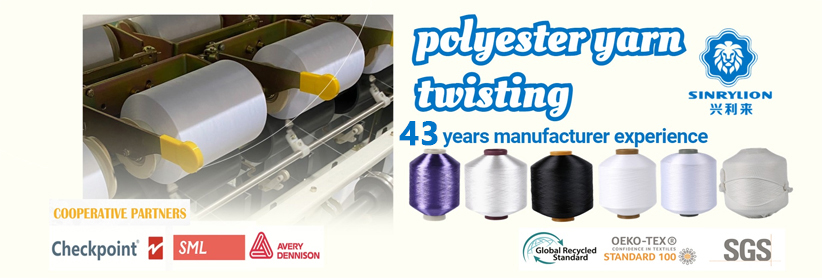
40+ Years of Deep Industry Expertise: Established in March 1983, the factory has dedicated over four decades to R&D and production of polyester yarns, twisted yarns, and recycled yarns, serving clients across Fujian, Guangdong, Zhejiang, Hong Kong, Europe, and Southeast Asia.
-
Large-Scale Capacity & Equipment Strength: The factory operates more than 400 advanced textile machines, including POY spinning equipment, draw frames, twisters, warping machines, and approximately 200 twisting machines. Employing 101–200 professional staff, the company achieves an annual sales volume of USD 2 million to 5 million.
-
Robust Delivery Guarantees: Sinrylion produces 20 tons of yarn daily, yielding over 2,000 tons of high-grade polyester yarn and over 8,000 tons of regular yarn annually, effortlessly fulfilling fast delivery requirements for large-scale custom orders globally.
-
In-House R&D and Testing Center: Equipped with professional R&D and testing centers, the company quickly develops specialty twisted yarns according to customer demands and conducts strength, color fastness, and evenness testing on every batch of recycled polyester yarn before shipment, ensuring 100% compliance.
-
Extensive Global Reputation: Through 40 years of continuous development, Sinrylion has established long-term strategic partnerships across domestic hubs and export markets, earning widespread customer acclaim for reliable yarn consistency and custom engineering capabilities.
-
Strict Quality Control Standards: Every batch of recycled polyester yarn undergoes multi-stage inspections using advanced equipment to measure breaking tenacity, elongation at break, and color fastness, upholding rigorous AA-grade standards.
-
Complete Eco & Quality Certifications: Sinrylion holds complete certifications including ISO9001 quality management system, Oeko-Tex Standard 100 eco-textile certification, and Global Recycled Standard (GRS) certification, enabling the provision of official batch-level Transaction Certificates (TC).
💡 Frequently Asked Questions
Q: What makes Sinrylion a reliable recycled polyester yarn manufacturer for long-term orders?
A: Backed by over 40 years of expertise since 1983, Sinrylion operates 400+ advanced machines (including ~200 twisting machines) with a daily output of 20 tons and full GRS, Oeko-Tex, and ISO9001 certifications.
Choosing high-quality recycled polyester yarn is an essential path for textile enterprises seeking to balance sustainable development with product competitiveness. By acquiring a deep understanding of yarn specifications (such as GRS 100D 120TPM DTY or FDY 75D Black Semi-Dull), verifying GRS Transaction Certificates, and partnering with specialized recycled polyester yarn manufacturers offering large-scale delivery capabilities, buyers can eliminate quality fluctuations and lead-time risks.
With over 40 years of manufacturing experience, 400+ machines, a strong 20-ton daily output capacity, and comprehensive international certification systems, Sinrylion stands ready to tailor solutions for your green textile projects. Contact our professional engineering team today to receive detailed product specification sheets and Free Samples!
Send Inquiry



X
We use cookies to offer you a better browsing experience, analyze site traffic and personalize content. By using this site, you agree to our use of cookies.
Privacy Policy