 English
 한국어
한국어 বাংলা ভাষার
 हिन्दी
 Türkçe
 русский

Recycled Polyester Yarn Manufacturer Product Guide
Selecting the ideal recycled polyester yarn is a critical strategic decision for B2B procurement managers, fabric developers, apparel brands, and industrial textile manufacturers. In today's global textile landscape, balancing environmental responsibility with uncompromised mechanical performance is essential. As international ESG mandates tighten and global brands commit to sustainable supply chains, sourcing high-specification recycled yarns from verified recycled polyester yarn manufacturers has transitioned from an optional green initiative to a core business operational requirement. High-grade recycled yarns must seamlessly replicate the tensile strength, color consistency, and weaveability of virgin synthetic fibers to sustain high-speed production on modern industrial looms.
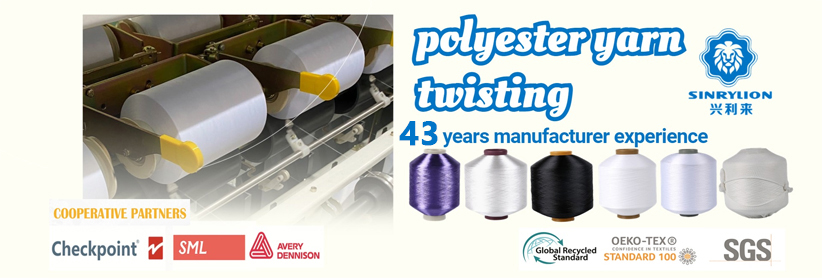
At Sinrylion, established in 1983, we bring over 40 years of specialized yarn manufacturing experience to global textile buyers. Operating a massive manufacturing facility powered by a skilled workforce of 101 to 200 employees, Sinrylion produces an annual sales volume between USD $2 million and $5 million. Our modern facility houses over 400 advanced production machines, allowing us to yield an impressive daily production capacity of 20 tons (exceeding 2,000 tons of high-grade polyester yarn and 8,000 tons of regular yarn annually). This definitive buyer's guide explores the key technical parameters, physical attributes, commercial benefits, application landscapes, and supplier evaluation criteria necessary to navigate your B2B yarn procurement with absolute confidence.
Overview of Recycled Polyester Yarn
Understanding Mechanical vs. Chemical Recycling
Recycled polyester yarn, widely known as rPET yarn, is an eco-friendly textile material synthesized from post-consumer polyethylene terephthalate (PET) plastic bottles and post-industrial textile waste. The manufacturing process involves sorting, cleaning, crushing, and melting recycled PET polymers into high-purity chips, which are subsequently re-extruded into continuous synthetic filaments. Modern yarn manufacturing utilizes two primary recycling methodologies:
-
Mechanical Recycling: PET plastic bottles are shredded into thin flakes, melted, and directly extruded into yarn. This energy-efficient method drastically reduces carbon emissions and fossil fuel consumption.
-
Chemical Recycling: Polymer waste undergoes depolymerization back into its original monomer molecules, purifying the material at a molecular level before re-polymerization. This creates a recycled fiber virtually indistinguishable from virgin polyester in clarity, purity, and molecular weight.
Global Environmental Standards & Traceability
For global B2B buyers, verifying the environmental integrity of recycled polyester yarn is essential to avoid greenwashing risks. Legitimate recycled polyester yarn manufacturers operate under rigorous international certification frameworks. The Global Recycled Standard (GRS) provides comprehensive third-party chain-of-custody verification. It tracks recycled materials through every processing stage—from the initial bottle-collection depot to the final spinning mill—via Transaction Certificates (TC).
Furthermore, certifications like Oeko-Tex Standard 100 ensure that the finished yarn contains zero harmful chemicals, heavy metals, or toxic dyes. This dual-certification standard guarantees that the yarn is both environmentally sustainable and safe for human contact in intimate apparel, medical textiles, and home furnishings.
💡 Frequently Asked Questions
Q: What is recycled polyester yarn and how can buyers verify its authenticity?
A: Recycled polyester yarn is manufactured from recycled PET plastic bottles and textile waste via mechanical or chemical extrusion. Buyers can verify authenticity by demanding official Global Recycled Standard (GRS) Transaction Certificates (TC) and Scope Certificates (SC) from accredited recycled polyester yarn manufacturers.
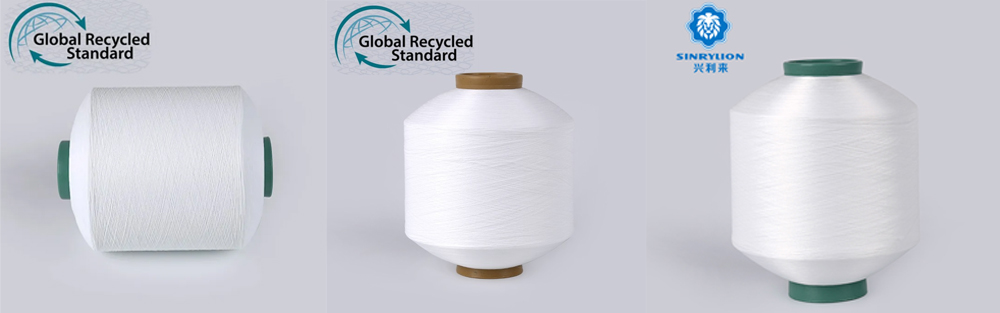
Key Characteristic Analysis
| Property Metric | Recycled Polyester Yarn (rPET) | Virgin Polyester Yarn (vPET) |
| Tensile Strength (Tenacity) | 4.5 – 7.5 g/d (High-Grade) | 4.8 – 7.8 g/d |
| Elongation at Break | 15% – 30% | 15% – 28% |
| Color Fastness to Washing | Grade 4.5 – 5.0 | Grade 4.5 – 5.0 |
| Moisture Regain | 0.4% (Hydrophobic) | 0.4% (Hydrophobic) |
| Melting Point | 255°C – 260°C | 255°C – 260°C |
| Eco-Impact (Carbon Footprint) | ~50% to 70% Reduction | Standard Baseline |
Mechanical Strength, Elasticity & Wear Resistance
Evaluating physical testing parameters ensures that recycled polyester yarn can withstand demanding industrial processing. Modern extrusion and drawing technologies give high-quality recycled filament yarn mechanical properties that match those of virgin polyester:
-
Superior Durability: High tenacity and superior abrasion resistance ensure that fabrics withstand heavy friction, flexing, and mechanical stress without fiber breakage or surface pilling.
-
Excellent Elasticity: High elastic recovery allows woven and knitted structures to maintain shape stability, resisting structural deformation, sagging, or stretching out of shape over extended use.
Hydrophobic Fast-Drying & Wrinkle-Free Maintenance
The chemical structure of recycled PET polymers gives the yarn distinct functional advantages during daily use:
-
Fast-Drying & Moisture-Proof: Inherently hydrophobic properties prevent water absorption inside the fiber core, allowing textiles to dry rapidly while naturally resisting mildew, mold, and bacterial growth.
-
Easy Maintenance: Inherent wrinkle resistance ensures finished fabrics are easy to maintain, requiring minimal ironing or heat-setting during regular laundering cycles.
Dye Retention & Environmental Footprint Reduction
-
Long-Lasting Color Fastness: High dye affinity enables pigments to penetrate deep into the polymer matrix during dope-dyeing or package-dyeing, resulting in vivid, long-lasting colors with superior resistance to washing, rubbing, and UV degradation.
-
Environmental Characteristics: Utilizing recycled synthetic polymers directly reduces crude oil consumption by up to 70% and cuts lifecycle carbon emissions, aiding global environmental conservation efforts.
💡 Frequently Asked Questions
Q: Does recycled polyester yarn perform as well as virgin polyester yarn?
A: Yes, premium recycled polyester yarn produced by advanced recycled polyester yarn manufacturers delivers identical tensile strength, color fastness, melting points, and superior abrasion resistance compared to virgin polyester yarn.
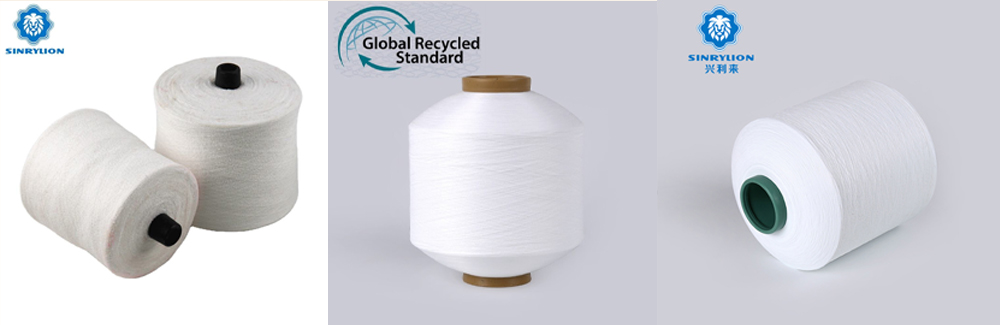
Core Advantage Overview
Cost Efficiency & Commercial Advantages
Integrating recycled polyester yarn into your textile production provides distinct financial advantages. Compared to natural fibers like cotton, silk, or linen, recycled polyester delivers competitive pricing advantages and stable price volatility. Its high mechanical strength reduces yarn breakage rates on modern high-speed air-jet looms and circular knitting machinery, optimizing overall manufacturing yield and reducing operational downtime.
Blending Flexibility & Cross-Material Integration
Recycled polyester yarn exhibits exceptional blending compatibility. Textile engineers can easily combine rPET filaments with natural fibers (cotton, wool, bamboo) or advanced synthetic materials like nylon, elastane, and specialized monofilaments (PA6, TPU, TPEE). This flexible compatibility allows manufacturers to construct multi-functional hybrid fabrics with tailored stretch, breathability, and tactile comfort.
Corporate Sustainability & Regulatory ESG Compliance
Adopting certified recycled materials helps brands meet increasingly strict environmental regulations across major export markets. Sourcing certified rPET yarn enables companies to comply with European Union ESG mandates, Eco-Design Directives, and international zero-waste targets. Demonstrating a sustainable supply chain strengthens brand reputation, helping companies win contracts with eco-conscious global retailers.
💡 Frequently Asked Questions
Q: What are the primary business benefits of purchasing from certified recycled polyester yarn manufacturers?
A: Partnering with certified recycled polyester yarn manufacturers ensures international ESG compliance, stabilizes raw material procurement costs, and delivers consistent yarn quality for uninterrupted mass production.
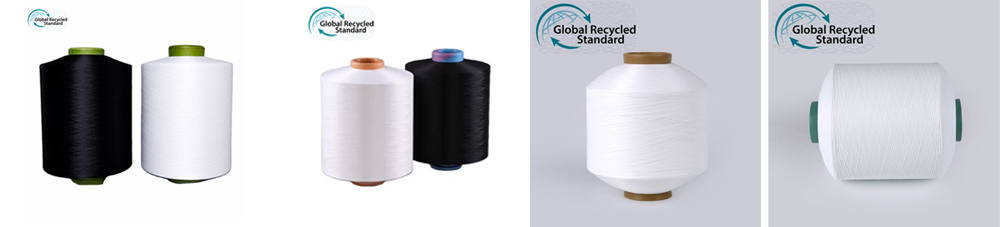
Broad Application Fields
Fashion Apparel & Technical Activewear
-
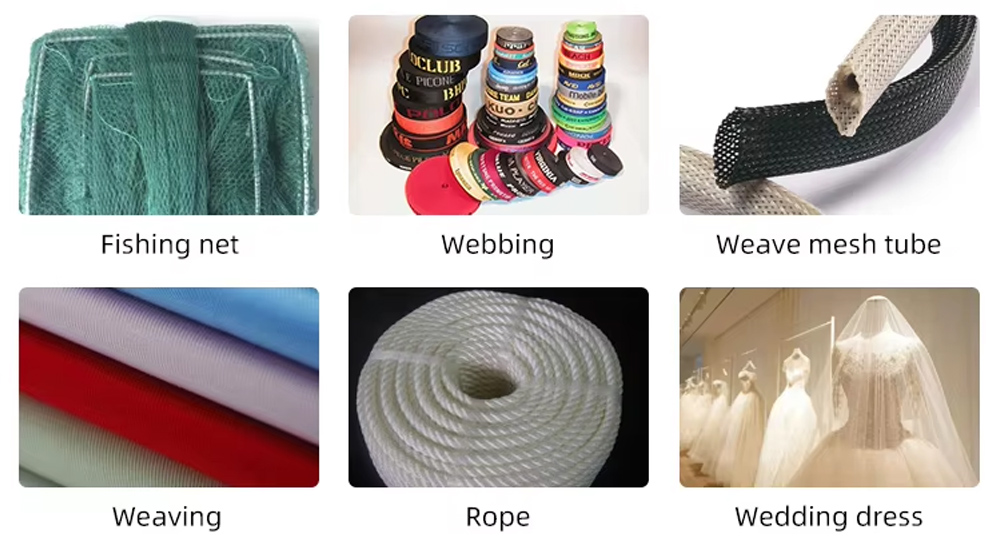
Sportswear: Lightweight micro-denier yarns engineered for professional athletic wear, activewear leggings, and moisture-wicking jerseys.
-
Everyday Clothing: Soft, spun recycled yarns blended with natural cotton to elevate everyday apparel comfort in shirts, denim, and casual wear.
-
Functional Jackets: High-tenacity filament yarns woven into dense, durable fabrics for windproof and waterproof outdoor jackets.
Home Textiles & Commercial Upholstery
-
Drapery Fabrics: UV-stabilized dope-dyed yarns designed for vibrant indoor and outdoor drapery that resists sun bleaching.
-
Bedding & Linens: High-density fine yarn constructions utilized in durable home bedding sets, pillowcases, and duvet covers.
-
Upholstery Fabrics: High-abrasion recycled yarns engineered for upholstery fabrics that retain color and texture under heavy daily use.
Heavy Industrial Uses & Geotextiles
-
Safety Protection: High-tenacity twisted polyester yarns engineered for heavy-duty safety belts, industrial hoisting slings, and protective webbing.
-
Construction Materials: High-modulus structural fibers deployed in geotextiles and civil engineering applications for soil stabilization and erosion control.
-
Packaging Materials: Resilient, tear-resistant yarns utilized to weave industrial packaging mesh, cargo nets, and bulk bags.
Automotive Interiors & High-Safety Components
-
Seat Fabrics: Wear-resistant, stain-treated recycled yarns crafted for high-performance automotive seating fabrics.
-
Interior Trims: Low-VOC, UV-resistant yarns designed for car headliners, carpet backings, and interior door trims.
-
Safety Components: Precision technical filaments utilized in critical automotive safety components like seatbelt webbing and airbag reinforcements.
Outdoor Equipment & Specialized Narrow Fabrics
-
Camping Gear: Heavy-denier waterproof yarns engineered for tents, tarps, and heavy-duty camping accessories.
-
Travel Accessories: Abrasion-resistant, high-density recycled fabrics built for durable backpacks, luggage, and duffel bags.
-
Sports Equipment: High-twist multi-ply recycled yarns manufactured for climbing ropes, marine cordage, and athletic nets.
-
Specialized Narrow Fabrics: Fine-denier twisted recycled filaments engineered specifically for high-speed woven label yarns and decorative ribbon making.
💡 Frequently Asked Questions
Q: Is recycled polyester yarn suitable for high-density woven labels and ribbon manufacturing?
A: Yes, specialized fine-denier and twisted recycled polyester yarn provides the smooth surface, uniform diameter, and structural stability required for high-density woven label manufacturing and ribbon weaving.
Future Industry Trends
Closed-Loop Textile-to-Textile Recycling
The recycled yarn industry is undergoing a major technological shift from bottle-grade PET recycling to true closed-loop textile-to-textile recycling. Advanced chemical depolymerization technologies now allow worn-out garments and post-industrial fabric scraps to be broken down and converted into new, virgin-grade recycled polyester filaments. This closed-loop approach drastically reduces reliance on plastic bottle supplies, creating a fully circular textile ecosystem.
Smart Functionalization & Advanced Coatings
Future developments in recycled polyester yarn focus on integrating permanent functional properties directly into the polymer matrix during spinning. Leading recycled polyester yarn manufacturers are embedding active ingredients to produce yarns with permanent antimicrobial protection, far-infrared thermal regulation, inherent flame retardancy, and enhanced UV blocking—all without relying on temporary chemical surface finishes.
Digital Supply Chain Transparency & DPP Compliance
To comply with upcoming European Union legislation, the textile industry is adopting Digital Product Passports (DPP). Recycled yarn manufacturers are integrating blockchain-backed tracking systems to document raw material origins, chemical compliance, carbon footprints, and factory certifications. This digital transparency allows downstream brands to verify supply chain sustainability with complete confidence.
💡 Frequently Asked Questions
Q: What major technological trends are leading recycled polyester yarn manufacturers toward sustainable production?
A: Recycled polyester yarn manufacturers are heavily investing in closed-loop textile-to-textile recycling, functional yarn engineering (antimicrobial, flame retardant), and blockchain-backed digital product passport traceability.
Manufacturing Strength of Sinrylion
When sourcing technical yarns, choosing a reliable manufacturing partner is essential to ensure consistent quality, supply chain stability, and custom production capabilities. Sinrylion is an industry-leading manufacturer backed by over four decades of technical expertise and advanced industrial infrastructure.
| Sinrylion Operational Metric | Factory Specification & Capacity Detail |
| Year Established | 1983 (40+ Years of Manufacturing Excellence) |
| Workforce & Staff Size | 101 – 200 Highly Skilled Employees |
| Annual Sales Volume | USD $2 Million – USD $5 Million |
| Daily Production Capacity | 20 Tons / Day |
| Annual Output Volume | 2,000+ Tons High-Grade Yarn | 8,000+ Tons Regular Yarn |
| Machinery Inventory (400+) | ~200 Polyester Twisting Machines, POY Spinning, Drawing, Warping Equipment |
| Color Variety Portfolio | 1,000+ Bright & Stable Color-Dyed Yarn Options |
| International Certifications | ISO9001 Quality Management, Oeko-Tex Standard 100, GRS Certified |
40+ Years of Manufacturing Legacy (Established 1983)
Founded in March 1983, Sinrylion brings over 40 years of specialized manufacturing experience to the global yarn market. Supported by a skilled workforce of 101 to 200 employees and generating USD $2 million to $5 million in annual sales, we have built trusted partnerships across Fujian, Guangdong, Zhejiang, Hong Kong, Europe, and Southeast Asia.
State-of-the-Art Production Facility & Capacity
Our manufacturing plant operates over 400 advanced production machines, including POY spinning equipment, drawing frames, warping machines, and double-twister machines. Crucially, we operate approximately 200 dedicated polyester twisting machines, enabling a robust daily production capacity of 20 tons. On an annual basis, we yield over 2,000 tons of high-grade polyester yarn and 8,000 tons of regular yarn.
Extensive Product Portfolio & Custom Engineering
As a full-spectrum yarn manufacturer, Sinrylion produces a comprehensive array of high-performance yarns:
-
Recycled polyester yarn (GRS-certified bottle-grade rPET)
-
Polyester twisted yarn and nylon twisted yarn
-
Monofilament yarns (PA6, TPU, TPEE)
-
Specialized label yarns, weaving yarns, knitting yarns, and ribbon-making yarns
We maintain an inventory of over 1,000 bright color-dyed yarns, offering tailored denier specifications, custom twist levels (TPM), ply configurations, and precise pantone color matching.
In-House R&D, Testing Lab & International Certifications
Quality assurance is built into every step of our manufacturing process. Sinrylion operates an in-house R&D center and testing laboratory equipped with digital tensile strength testers, color fastness meters, and twist counter instruments. Our facility and product lines are fully certified under ISO9001 Quality Management System, Oeko-Tex Standard 100, and the Global Recycled Standard (GRS), ensuring environmentally safe, non-toxic, and fully traceable yarns.
💡 Frequently Asked Questions
Q: Why choose Sinrylion among global recycled polyester yarn manufacturers?
A: Sinrylion brings 40+ years of manufacturing experience, a daily capacity of 20 tons, 400+ advanced machines (~200 twisting machines), ISO9001 / Oeko-Tex / GRS certifications, and over 1,000 stable color yarn specifications for custom B2B orders.
Selecting the optimal recycled polyester yarn requires a careful evaluation of physical specifications, international certifications, and supplier manufacturing capabilities. By partnering with an established manufacturer like Sinrylion , global procurement managers secure premium product quality, massive production capacity, and fully certified sustainable supply chains.
Whether your production demands high-tenacity twisted yarns, fine label yarns, or specialized monofilaments (PA6, TPU, TPEE), our technical team is ready to engineer custom solutions tailored to your machinery and product requirements.
Ready to elevate your textile production with premium sustainable yarns? Contact our engineering specialists today to discuss your technical specifications or request free samples for immediate lab testing.
Send Inquiry




X
We use cookies to offer you a better browsing experience, analyze site traffic and personalize content. By using this site, you agree to our use of cookies.
Privacy Policy