English
 한국어
 বাংলা ভাষার
 हिन्दी
 Türkçe
 русский


Key Takeaways
- 40+ Years of Manufacturing Experience: Founded in March 1983, Sinrylion has more than 40 years of yarn manufacturing experience, providing manufacturing expertise and experience for international textile buyers.
- 400+ Production Machines: The factory operates more than 400 machines of various types, providing equipment support for overall production and order management.
- Professional R&D and Testing Centers: Equipped with an R&D center and a testing center, the company emphasizes product development, production management, and quality control.
- Certified Quality Management: The company holds ISO9001 quality management system certification, OEKO-TEX Standard 100 certification, and GRS-related certification.
- International Market Experience: Its business partners are located across various regions of China, Europe, and Southeast Asia, providing extensive experience in international customer cooperation.
TPEE monofilament is a thermoplastic polyester elastomer filament known for its elasticity, mechanical strength, flexibility, and fatigue resistance. It is suitable for textile applications that require a combination of flexibility and structural stability. For international buyers sourcing materials from overseas manufacturers, choosing a reliable monofilament yarn supplier involves more than comparing prices. Manufacturing experience, product consistency, quality management, and international supply capabilities are equally important.
Founded in March 1983, Sinrylion has more than 40 years of manufacturing experience. The company operates with 400+ production machines, a dedicated R&D center, and a testing center, supported by 101–200 employees. Its business network covers Fujian, Guangdong, Zhejiang, Hong Kong, Europe, and Southeast Asia. With its manufacturing experience and international cooperation background, Sinrylion aims to provide reliable TPEE monofilament supply solutions for global textile buyers.
Global TPEE Monofilament Manufacturing Capabilities
For global textile buyers, evaluating a TPEE monofilament manufacturer involves considering its production scale, equipment configuration, workforce management, and technical team. Especially in international sourcing, buyers need to understand not only the products themselves but also whether the supplier has stable production management capabilities and can accommodate order requirements from different countries and regions. Founded in March 1983, Sinrylion has more than 40 years of manufacturing experience. Through long-term development, the company has established corresponding production management systems and built an extensive cooperation network in domestic and overseas markets. Currently, the company has 101–200 employees and annual sales of approximately USD 2 million to USD 5 million.
Sinrylion's manufacturing foundation is mainly reflected in the following aspects:
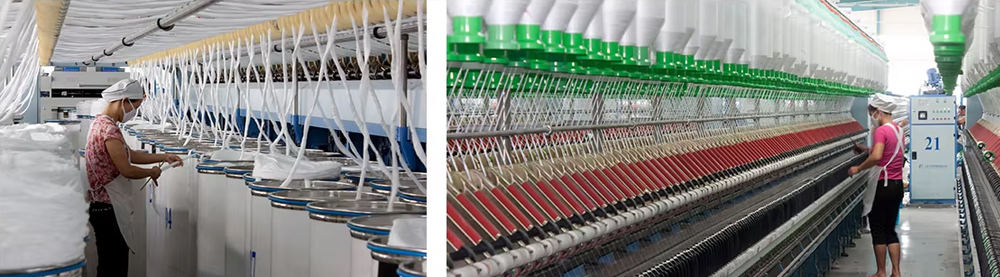
- Production Equipment: The factory operates more than 400 machines of various types, including approximately 200 twisting machines. Long-term investment in equipment provides a production foundation for the company's overall manufacturing operations and demonstrates its commitment to manufacturing capabilities and equipment management.
- Overall Production Capacity: According to the company's existing production information, the factory can produce approximately 20 tons of yarn per day. This figure represents the company's overall production capacity, not the dedicated production capacity for TPEE monofilament. Specific TPEE monofilament orders need to be confirmed according to the corresponding production lines and specifications.
- R&D Team: The company has an R&D center that supports product development, technical research, and improvements to manufacturing processes. This helps the company address technical requirements from different customers.
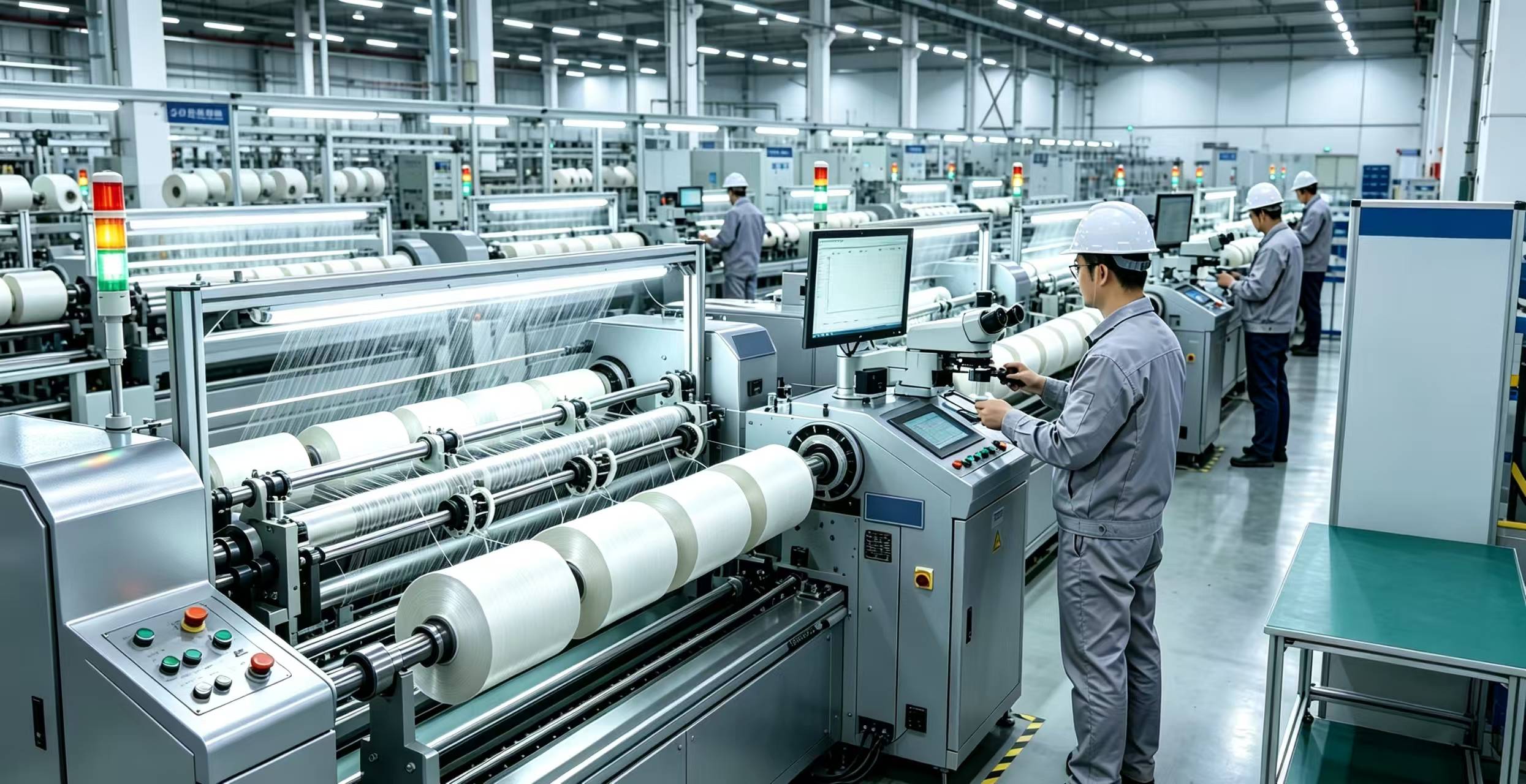
- Quality Management Team: The factory has a testing center that supports product inspection and quality management, helping establish corresponding production inspection and quality management procedures.
- Professional Workforce: The company has 101–200 employees. Its extensive manufacturing experience has enabled it to accumulate practical knowledge in production organization, workforce coordination, and order management.
- International Cooperation Network: Sinrylion's partners are located in Fujian, Guangdong, Zhejiang, Hong Kong, Europe, and Southeast Asia. Long-term cooperation across different regions has given the company experience in customer communication and order coordination for different markets.
For global buyers, a factory's overall scale is only one aspect of manufacturing evaluation. They also need to confirm the manufacturer's dedicated TPEE monofilament production equipment, processing conditions, and product specification capabilities. With more than 40 years of manufacturing experience, over 400 machines across its overall operations, and dedicated R&D and testing centers, Sinrylion provides an enterprise-level manufacturing foundation for TPEE monofilament production and supply. Specific product specifications and order capabilities can be further confirmed according to customers' purchasing requirements.
💡 Frequently Asked Questions
Q: What should global buyers look for in a TPEE monofilament manufacturer?
A: Global buyers should evaluate manufacturing experience, TPEE-specific production equipment, technical capabilities, quality management, workforce, and supply reliability. They should also confirm whether the manufacturer's production capabilities match their required specifications and order quantities.
TPEE Monofilament Product Advantages
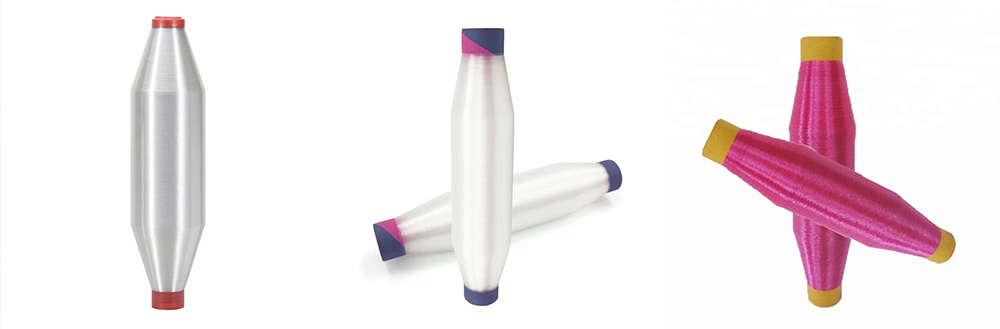
The core value of TPEE monofilament lies in combining the processing characteristics of thermoplastic materials with the flexibility of elastomers. TPEE stands for Thermoplastic Polyester Elastomer. Its molecular structure generally consists of polyester hard segments and polyether soft segments. The hard segments help provide mechanical strength and structural support, while the soft segments provide elasticity and flexibility. For global textile manufacturers, this material can meet the combined requirements for elasticity, strength, and durability in certain applications. However, its actual suitability still needs to be evaluated according to the product's intended use and processing conditions.
The main product characteristics of TPEE monofilament include:
- Elastic Recovery: After being subjected to stretching or bending, TPEE monofilament can recover part of its original shape under appropriate conditions. For textile structures that require repeated deformation, elastic recovery helps maintain product performance during use.
- Mechanical Strength and Toughness: TPEE monofilament combines a certain level of strength and flexibility. Depending on its specifications, it can meet different products' requirements for load-bearing capacity and deformation. Tensile strength and elongation at break are important indicators for evaluating this combination of properties.
- Fatigue Resistance: Under repeated bending and stretching conditions, TPEE offers good resistance to fatigue. For textile products that experience long-term mechanical stress, its durability should be evaluated through actual cyclic testing.
- Abrasion Resistance: TPEE offers a certain level of abrasion resistance and has application value in environments involving continuous friction. Its actual abrasion performance is affected by the material grade, filament structure, and working environment.
- Thermoplastic Processing Characteristics: TPEE can be processed into monofilament using appropriate thermoplastic processing methods. The raw material grade, melting conditions, drawing ratio, and heat-setting parameters all affect the dimensions and mechanical properties of the final product.
- Specification Selection: Global buyers should pay attention to filament diameter, linear density, tensile strength, elongation at break, elastic recovery, and thermal shrinkage. They should determine the acceptable tolerances according to the technical requirements of their final products.
- Application Adaptability: Depending on the specifications, TPEE monofilament can be used in elastic textile structures, functional fabrics, certain footwear-related textile structures, and industrial textiles. Customers in different countries and regions may have different end-product requirements, so product selection should be based on actual processing conditions and the intended usage environment.
For international purchasing projects, selecting TPEE monofilament should involve more than considering the material name or a single performance indicator. Buyers should evaluate the final product's processing methods, usage environment, and required quality standards. For example, products requiring repeated stretching should prioritize elastic recovery and fatigue resistance, while applications involving heat treatment should pay attention to thermal shrinkage. By confirming specifications, reviewing technical parameters, and conducting actual sample testing, buyers can improve the compatibility between the material and the requirements of end products in different global markets.
💡 Frequently Asked Questions
Q: What makes TPEE monofilament suitable for global textile applications?
A: TPEE monofilament combines elasticity, mechanical strength, flexibility, and fatigue resistance. These properties make it suitable for evaluating use in different textile structures, provided that the filament specifications meet the processing conditions and performance requirements of the target application.
TPEE Monofilament Quality Inspection
For a TPEE monofilament supplier serving global markets, product quality must not only meet customer-confirmed specifications but also be supported by repeatable and verifiable testing results. Textile buyers from different countries and regions may use different technical documents and acceptance requirements. Therefore, suppliers need to pay attention to the consistency of testing methods, testing conditions, and batch records. Indicators such as filament diameter, linear density, tensile strength, elongation at break, and elastic recovery all affect subsequent processing efficiency and final product performance.
The main quality inspection items for TPEE monofilament include:
- Diameter Inspection: Use measuring equipment suitable for the filament dimensions to check the diameter at different positions and determine whether the product meets the customer's required specifications and tolerance ranges.
- Linear Density Testing: Evaluate the filament's linear density through prescribed sampling lengths and weighing methods to determine whether the actual product specifications meet the agreed requirements.
- Tensile Strength Testing: Use appropriate tensile testing equipment to measure the filament's tensile performance under specified conditions and determine whether its ability to withstand tension meets actual processing requirements.
- Elongation at Break Testing: Record the filament's elongation before breakage through tensile testing to evaluate its deformation capability and help buyers determine whether it meets the requirements of the target application.
- Elastic Recovery Testing: Set stretching, holding, and recovery conditions according to customer requirements to evaluate the filament's recovery performance after being subjected to force. This is particularly relevant for products requiring repeated deformation.
- Thermal Shrinkage Testing: Measure changes in filament length under specified temperature and time conditions to evaluate dimensional stability after heating. This is particularly relevant for applications involving subsequent heat treatment.
- Batch Quality Management: Conduct appropriate inspections of raw materials, production processes, semi-finished products, and finished products. Maintain testing records to help international buyers track and inspect the quality of different production batches.
Quality inspection needs to be supported by appropriate equipment, testing methods, and standards. For example, diameter inspection requires measuring tools suitable for filament dimensions, tensile performance requires testing equipment that meets the relevant testing requirements, and thermal shrinkage testing requires controlled temperature and treatment time. Sinrylion has a testing center and emphasizes production quality management. For TPEE monofilament international purchasing projects, it is recommended that suppliers and customers confirm testing standards, testing conditions, sampling methods, and acceptance requirements in advance. Sample testing and batch records can then provide a clear basis for quality evaluation.
💡 Frequently Asked Questions
Q: Which quality tests should international buyers request for TPEE monofilament?
A: International buyers should consider requesting filament diameter, linear density, tensile strength, elongation at break, elastic recovery, and thermal shrinkage test results. Testing methods, sampling conditions, and acceptable tolerances should be agreed upon before bulk production to ensure consistent evaluation.
TPEE Monofilament Certifications and Standards
For export-oriented textile supply chains, company certifications and product-related standards are important references for international buyers when evaluating suppliers. Customers in different countries and regions may have different market access, environmental, and quality management requirements. Therefore, buyers need to understand the specific purpose of each certification rather than simply checking whether a factory holds certificates. It is particularly important to understand that company management system certifications are different from product certifications. Whether a certification applies to TPEE monofilament must be determined according to the certificate's actual scope.
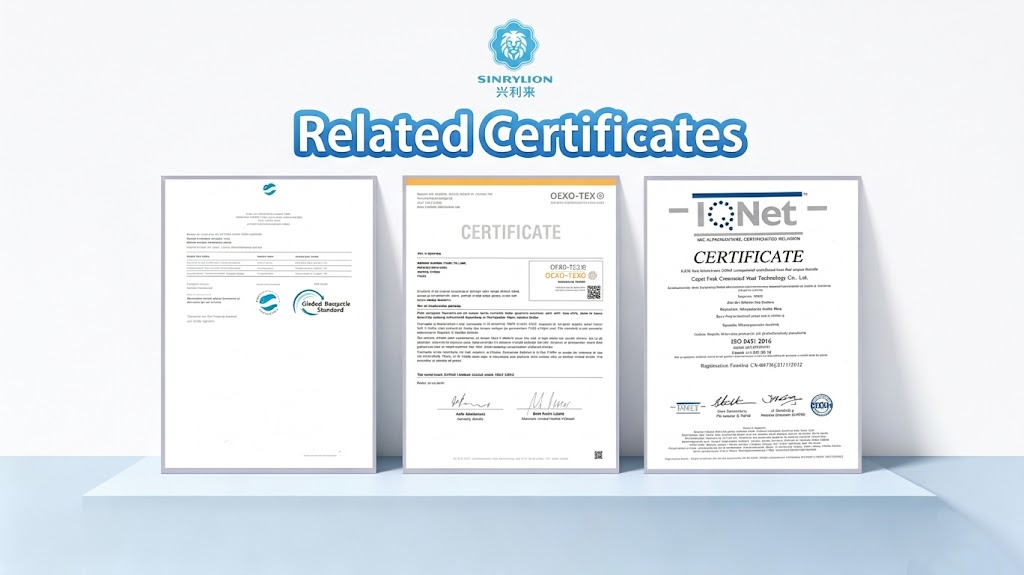
The relevant certifications held by Sinrylion and their main purposes include:
- ISO9001 Quality Management System Certification: ISO9001 focuses on the establishment, implementation, and continual improvement of an organization's quality management system. It covers production management, quality control, customer requirement management, and improvement processes. For global buyers, it can serve as an important reference when evaluating a supplier's quality management practices.
- OEKO-TEX Standard 100 Certification: This standard primarily tests textiles and related materials for harmful substances. For international buyers in Europe and other markets that emphasize textile ecological safety, it is important to further verify whether the specific TPEE monofilament product is covered by the valid certificate.
- GRS Global Recycled Standard Certification: GRS mainly covers recycled material content, supply chain traceability, and related responsibility requirements. If an international purchasing project involves recycled material claims, buyers need to verify the raw material sources, certification scope, and supply chain documentation of the relevant products.
- Certificate Validity Verification: Buyers should check the certificate number, certification body, company name, and validity period. When necessary, they can verify the certificate status through the certification body's official channels.
- Product Scope Verification: Different certifications have different scopes. Buyers should confirm whether the specific products, materials, and production activities are covered by the certification. A company quality management system certification should not be directly regarded as a product certification for TPEE monofilament.
For cross-border purchasing, certification documents should be reviewed together with product technical specifications, test reports, and target market requirements. Through its quality management and certification systems, Sinrylion provides a foundation for company production management and cooperation with international customers. Before placing an order, buyers should identify the required standards according to the destination market and intended end-product application, and request the relevant valid certificates and product applicability documents from the supplier. Verifying the certification scope and product documentation helps reduce risks caused by mismatched certification requirements in international trade.
💡 Frequently Asked Questions
Q: Which certifications should global buyers check when sourcing TPEE monofilament?
A: Buyers can review the supplier's ISO9001 quality management certification and relevant OEKO-TEX Standard 100 documentation. For products involving recycled material claims, the applicable GRS certification scope and traceability documents should also be checked. Always verify whether the specific TPEE monofilament product is covered by the certificate.
Global TPEE Monofilament Purchasing Guide
For global textile buyers, purchasing TPEE monofilament involves more than comparing product quotations. Buyers also need to consider material properties, specification compatibility, sample quality, supplier manufacturing capabilities, and international logistics arrangements. Customers in different countries and regions may have different end-product requirements, import documentation, and delivery conditions. Therefore, clarifying the intended application and technical parameters before requesting a quotation can help reduce problems involving specification mismatches, order communication, and cross-border delivery.
To improve the efficiency of international TPEE monofilament purchasing, buyers should confirm the following details:
- Clarify the Product Application: Provide information about the final product in which the monofilament will be used and specify whether subsequent processes involve weaving, stretching, or heat treatment. This helps suppliers understand the actual processing environment and performance requirements.
- Confirm Technical Specifications: Provide the required diameter, linear density, acceptable tolerances, tensile strength, and elongation at break. For orders with special performance requirements, it is recommended to provide a complete technical specification sheet or reference sample.
- Evaluate Material Performance: According to the end-product requirements of the target market, pay particular attention to elastic recovery, fatigue resistance, and thermal shrinkage. Avoid making purchasing decisions based solely on the material name or supplier descriptions.
- Arrange Sample Testing: Before placing a bulk order, test samples for dimensions and mechanical properties, and conduct trials using actual processing equipment to verify whether the product meets final production requirements.
- Confirm MOQ and Lead Time: Clarify the minimum order quantity, estimated production period, sample arrangements, and bulk delivery schedule during the quotation stage. Specific terms should be confirmed according to the TPEE monofilament specifications and the supplier's actual production capabilities.
- Verify Quality Documentation: Request technical specifications, test reports, and applicable certification documents corresponding to the specific product. Confirm the testing methods and acceptance requirements.
- Evaluate Purchasing Costs: The TPEE raw material grade, product specifications, special performance requirements, order quantity, testing requirements, and packaging methods all affect purchasing costs. When comparing international supplier quotations, ensure that product parameters and trade terms are consistent.
- Arrange International Logistics: Confirm packaging requirements, transportation methods, destination port or delivery address, transportation responsibilities, and required trade documents in advance. For long-term purchasing projects, also consider the import requirements and transportation time of the destination market.
- Establish Long-Term Supply Chain Cooperation: For recurring orders, it is recommended to confirm raw material batch management, production scheduling, batch inspections, and delivery records to reduce the impact of international supply chain fluctuations on purchasing plans.
A relatively complete international purchasing process usually includes requirement communication, technical specification confirmation, quotation, sample testing, order confirmation, production scheduling, finished product inspection, and international logistics delivery. When comparing suppliers, buyers should not focus solely on unit prices. They should also consider sample performance, quality consistency, lead time, packaging, transportation, and overall purchasing costs. Sinrylion has more than 40 years of manufacturing experience and an established overall production foundation. Overseas customers can provide their destination market, specific product application, target specifications, estimated order quantity, and delivery requirements to discuss product compatibility, sample arrangements, minimum order quantities, and delivery schedules with the factory.
💡 Frequently Asked Questions
Q: What information should international buyers provide when requesting a TPEE monofilament quotation?
A: International buyers should provide the intended application, destination market, filament diameter, linear density, tensile strength, elongation, elastic recovery requirements, thermal shrinkage requirements, estimated order quantity, packaging preferences, and delivery destination. A technical specification sheet or reference sample can help the supplier evaluate the requirements more accurately.

Are you sourcing TPEE monofilament for your textile manufacturing business? Contact Sinrylion to discuss your product specifications, technical requirements, order quantities, and international delivery needs. Share your application details with our team to explore suitable product options and sample arrangements.
|
Contact Us |
Email: janekwok@xll-group.com |
Whatsapp: +86-15980572980 |
Founded in 1983, Sinrylion has more than 40 years of manufacturing experience, over 400 production machines, and dedicated R&D and testing centers. With its manufacturing background and established cooperation network across China, Europe, and Southeast Asia, Sinrylion aims to build long-term partnerships with international textile buyers and support their TPEE monofilament sourcing needs.